Why I Chose Not to Cover the Karmelo Anthony Case
- Originally published:
- July 30, 2026
By Jeffrey S. Straub · 2 min read
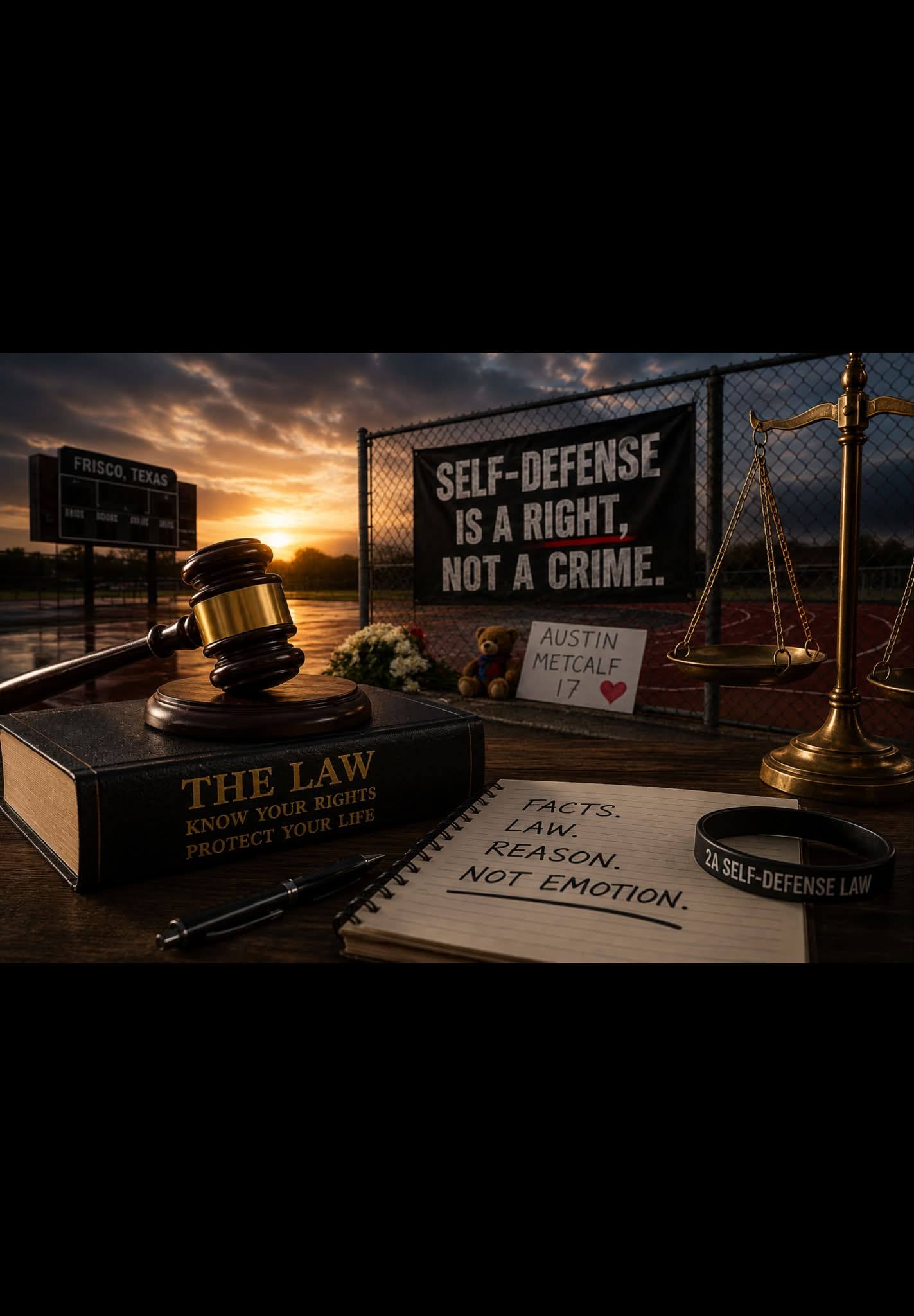
There have been a lot of people asking why I never covered the Karmelo Anthony case. The answer is actually pretty simple.
I chose not to.
Not because I was afraid to discuss it. Not because I didn’t have an opinion. And certainly not because I wasn’t following the trial. I watched it closely, just like many of you did.
The reason is that there were already countless attorneys, legal analysts, former prosecutors, and commentators covering every imaginable angle. I didn’t believe another voice repeating the same arguments would add much value.
The second reason is the one that matters most.
This case became engulfed in race before many people ever discussed the law. Social media did what it too often does. One side immediately declared the defendant a cold-blooded murderer because of who he was. The other side declared him an innocent victim of a racist system because of who he was. Facts became secondary. Ideology took the driver’s seat. The algorithm applauded because outrage gets better engagement than evidence. Humanity occasionally deserves a timeout.
That is exactly what I try to avoid at 2A Self-Defense Law.
My goal has never been to tell people who to support. My goal is to teach people how to think about self-defense under the law.
Strip away the names. Strip away the races. Strip away the politics. Imagine this case being taught in a criminal law class twenty years from now with nothing more than “Person A” and “Person B.”
Could the prosecution prove guilt beyond a reasonable doubt?
From my review of the evidence, I believe the jury reached the correct verdict.
That doesn’t mean everyone has to agree with me. It simply means I believe the verdict can be supported by the evidence and the law without relying on race, politics, or emotion.
One thing that concerned me throughout the public discussion was how quickly some people assumed the verdict was determined by the racial makeup of the jury. I have served in professions where I understood the legal standards well enough that I was excused from jury service more than once. I cannot accept the idea that jurors should automatically be presumed to have acted out of racial bias simply because they reached a verdict someone dislikes. Jurors deserve to be evaluated by the evidence they considered, not by assumptions about their identity.
Every criminal trial deserves scrutiny. Every verdict deserves thoughtful analysis. But thoughtful analysis begins with facts, not tribal loyalties.
Perhaps in a few years I’ll write a detailed legal breakdown of this case. If I do, it won’t be about race. It won’t be about politics. It won’t be about winning an argument on Facebook.
It will be about identifying the legal decisions, the factual data points, and the split-second choices that transformed a confrontation into a homicide. Those are the lessons that can help someone avoid prison, avoid tragedy, and perhaps avoid taking a life in the first place.
That’s what 2A Self-Defense Law has always been about, and that’s where I intend to keep my focus.
Sponsored by 2A Self-Defense Law
By Jeffrey S. Straub
Courtroom Consequences and Legal Misconceptions
Related articles
Courtroom Consequences and Legal Misconceptions
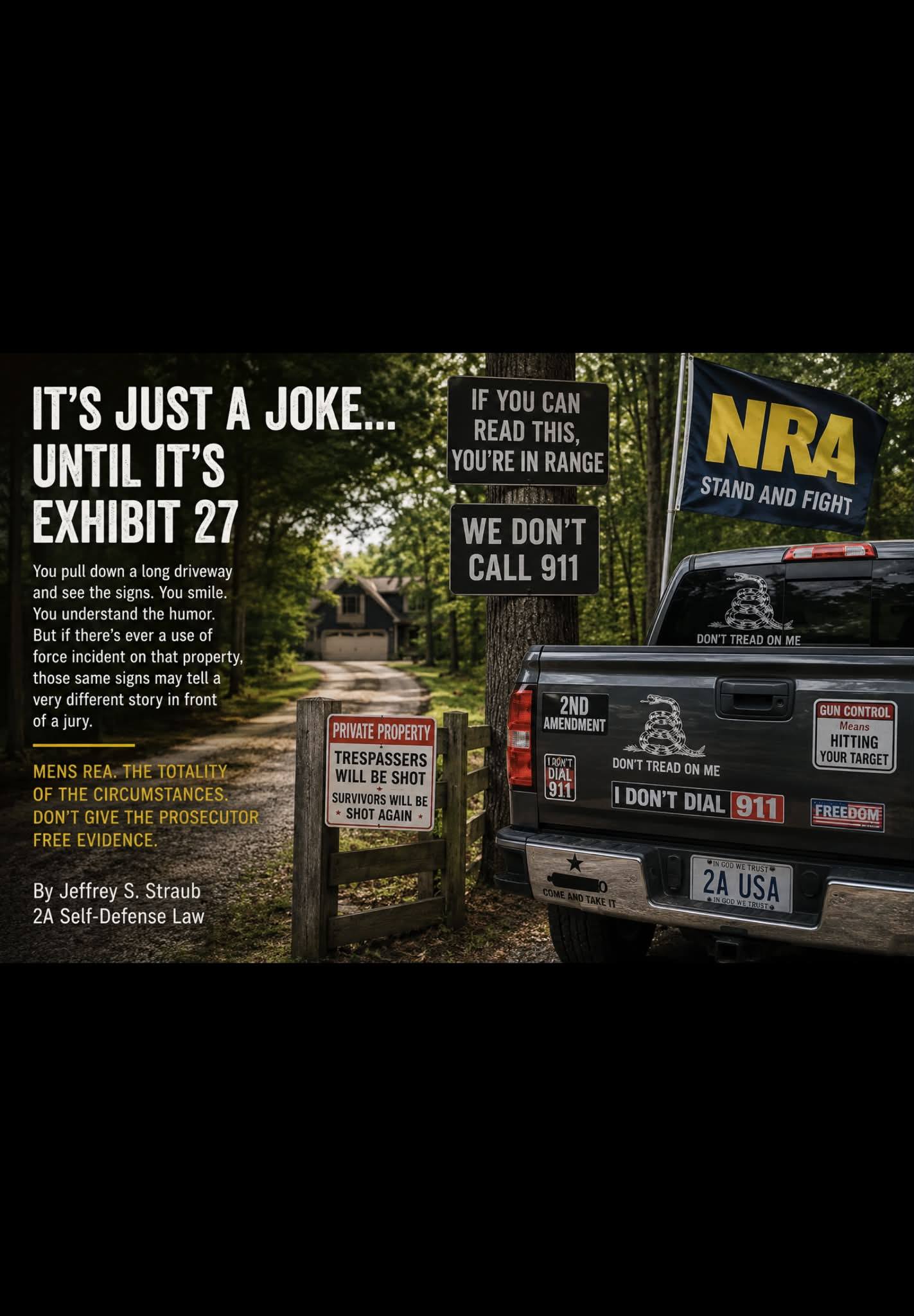
“If You Can Read This, You’re in Range”: What That Sign Really Means
August 3, 2026 · 5 min read

Courtroom Consequences and Legal Misconceptions
Fact-Checking the Akeem Rivers Case Claims
August 26, 2025 · 15 min read
Courtroom Consequences and Legal Misconceptions
The Akeem Rivers Case: When Ignoring Your Lawyer Isn’t Just Dumb, It’s Fatal
July 8, 2025 · 4 min read